

A formative review of Pacific climate finance capacity
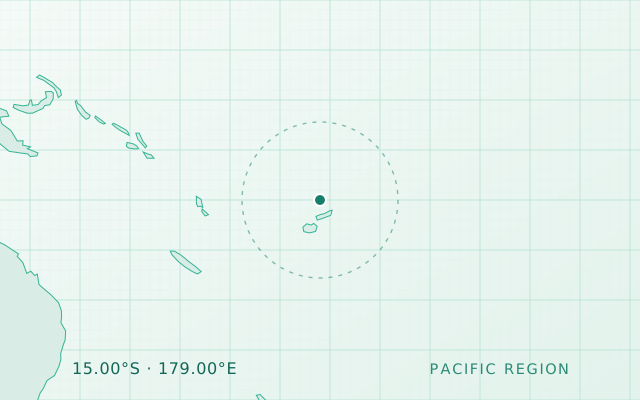
MFAT's formative review of the Climate Finance Capacity Support Programme — a NZ$30 million programme helping 15 Pacific countries access and use climate finance.
The challenge
Climate finance is central to the Pacific's response to climate change, but accessing it and using it well is often harder than securing it. The Climate Finance Capacity Support Programme (CFCSP) — a NZ$30 million programme funded through New Zealand's International Climate Finance programme and delivered by DT Global from January 2024 to December 2026 — helps 15 Pacific Island countries plan, access, deliver and report on climate finance. With the programme in its first phase, MFAT commissioned a formative review to test how well it was working and to shape any future support.
What we did
- Carried out MFAT's formative review of CFCSP in the first half of 2026, assessing relevance, effectiveness and how the programme is delivered.
- Visited the Cook Islands, Solomon Islands, Tuvalu and Fiji to hear directly from the countries and advisers the programme supports.
- Tested how CFCSP's main tools — embedded advisers, short-term technical support, mentoring and training — are working in practice.
- Set out recommendations for any future phase, grounded in how the programme has worked best.
How we worked
Dr Fiona Kotvojs, Ben Schultz and Kirsty Burnett carried out the review together, combining climate-finance, evaluation and MERL expertise. We spoke with partner governments, embedded advisers and MFAT, and worked from the programme's own reporting, to build a grounded picture of where the programme adds the most value.
Outcomes
Nearby in the atlas
Related case studies

Evaluation of Kōtui, Oxfam Aotearoa’s Negotiated Partnership Programme
Oxfam Aotearoa · MFAT
 Review 07°05′N 171°23′E
Steering two Pacific fisheries projects through the halfway mark
Marshall Islands Marine Resources Authority (MIMRA) · Tuvalu Fisheries Authority (TFA) · World Bank

Evaluation of Save the Children New Zealand’s Negotiated Partnership Programme
Save the Children New Zealand · MFAT