Building inclusive MERL foundations for geothermal development in East Africa
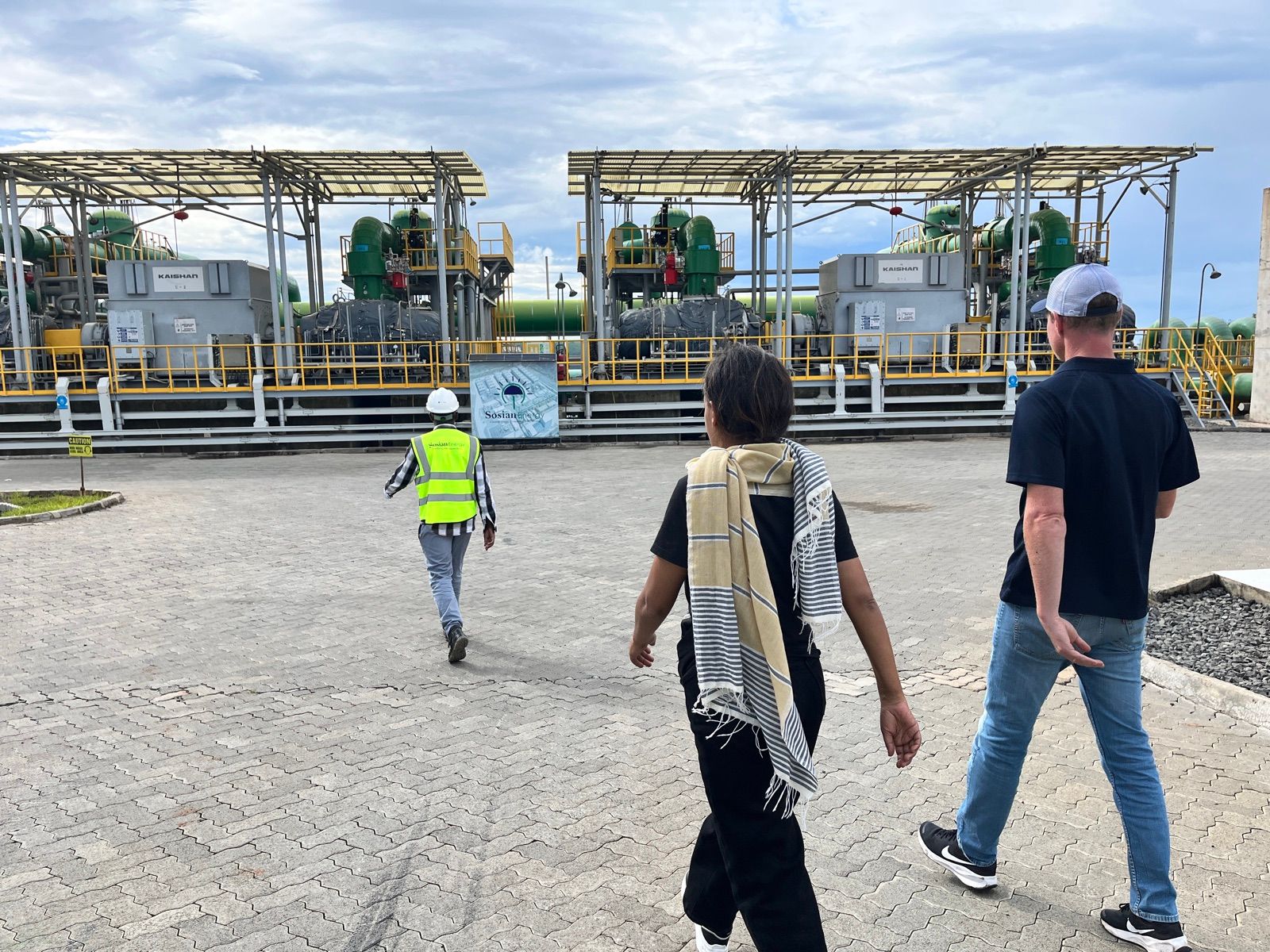
We designed the MERL framework and GESI Action Plan for the New Zealand–Africa Geothermal Facility Phase 2, and mentored two Kenya-based specialists to lead them in the region.
The challenge
Since 2017, the New Zealand–Africa Geothermal Facility (AGF) has shared New Zealand geothermal expertise across the East African Rift. For phase two, the Ministry of Foreign Affairs and Trade (MFAT) and the African Union Commission wanted a sharper, partner-led facility, with monitoring, evaluation, research and learning (MERL) and gender equality and social inclusion (GESI) built in from day one. The Phase 1 evaluation had found GESI was not systematically integrated, and a facility responding to partner requests across five countries needs a different kind of MERL system to a fixed-output project.
What we did
- As part of the delivery team led by JRG Energy, Future Partners led the MERL and GESI work of the inception phase, from January to August 2026. Our outputs formed part of the Inception Report submitted to MFAT in August 2026.
How we worked
We started with two virtual mobilisation sessions with MFAT and the team. Evidence from the April–May 2026 inception mission, which reached more than 100 people from 40 organisations across five countries, shaped the country snapshots and entry points, alongside engagement with the Ethiopian Women in Energy Network and Women in Geothermal. We kept MERL proportionate, using partners’ own data and assessing contribution in a sector shaped by many governments, financiers and developers. The results framework links to the Facility Investment Framework, so gender and inclusion is a criterion for prioritising partner requests. Dr Fiona Kotvojs also worked alongside Margaret Wanjiku and Elizabeth Kago, our in-region GESI and MERL specialists in Kenya, throughout the design. They are now well placed to lead this work with partners day to day, keeping the expertise in the region.
Outputs
Outcomes
Nearby in the atlas
Related case studies
Building Resilience: Conservation International's Climate Project in Samoa and Tokelau
Conservation International
Building a Cleaner Future: Kiribati's Solid Waste Management Journey
MFAT · Manatū Aorere
 Design Pacific · regional
Bridging the Pacific: University of the South Pacific's IT Transformation
MFAT · University of the South Pacific
What our clients say
In their words
Future Partners designed MERL and GESI systems that fit how a facility actually works, and invested in the people in the region who will make them work.