

Steering two Pacific fisheries projects through the halfway mark
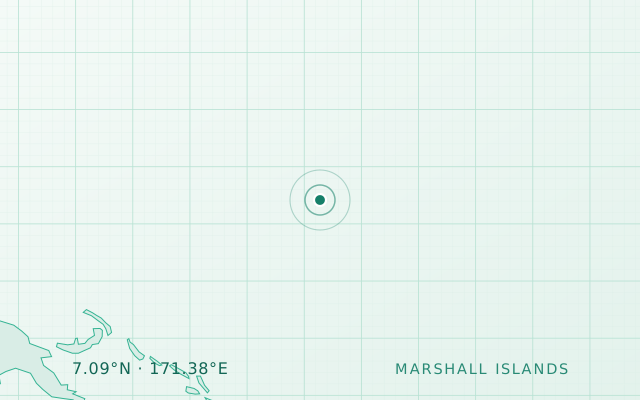
Independent mid-term reviews of the World Bank-funded PROPER fisheries projects for MIMRA and the Tuvalu Fisheries Authority, ahead of the Bank's own review missions.
The challenge
PROPER is the second phase of the World Bank's Pacific Islands Regional Oceanscape Program, with a focus on economic resilience. It helps Pacific countries manage their oceanic and coastal fisheries sustainably and earn more from them. In 2026 the national fisheries authorities in the Marshall Islands and Tuvalu each asked Future Partners for an independent mid-term review of their six-year PROPER project, ahead of the World Bank's own review missions. Both wanted a clear picture of progress at the halfway point, and practical options for the three years left, including where funds could be moved to keep the projects on track.
What we did
- Assessed each project against its development objective and original design, covering implementation progress, results indicators, procurement, financial management, safeguards and institutional arrangements.
- Marshall Islands: a USD 18 million project (2023 to 2029) run by MIMRA, across four components: policy and institutions, oceanic fisheries, coastal fisheries and livelihoods, and project management.
- Tuvalu: a USD 13 million project (an IDA grant of SDR 10 million, 2024 to 2029) run by the Tuvalu Fisheries Authority.
- Rated each project against the World Bank's standard criteria for outcomes, borrower performance and Bank performance.
- Set out priorities and funding options for the second half of each project. Each authority sent our report to the World Bank before its formal mid-term review mission.
How we worked
We worked closely with each authority's Project Management Unit, mostly in Majuro and Funafuti, with online meetings to reach people further afield. In the Marshall Islands we held 15 individual and group interviews with MIMRA, the PMU, consultants and other stakeholders. In Tuvalu we spoke with permanent secretaries, the TFA Managing Director, senior staff and Board members, the PMU, the National Fishing Corporation of Tuvalu (NAFICOT) and the technical consultants for each component. We also talked with the Forum Fisheries Agency (FFA) and the Pacific Community (SPC) about how their support fits alongside PROPER. Senior staff in both authorities answered follow-up questions in writing and commented on our draft reports, which let us test and fill out our findings. Because we reviewed both projects, we could carry lessons between the two countries, for example on EU market access for tuna and on regional surveillance tools.
Outcomes
Nearby in the atlas
Related case studies

Evaluation of Kōtui, Oxfam Aotearoa’s Negotiated Partnership Programme
Oxfam Aotearoa · MFAT
Evaluation of Save the Children New Zealand’s Negotiated Partnership Programme
Save the Children New Zealand · MFAT

Enhanced Pacific Biosecurity Partnership Programme
MFAT · Ministry for Primary Industries