Building a results framework for sexual and reproductive health in Tonga
We designed the MERL framework for ‘Amanaki Lelei (Hope), a three-year MFAT-funded partnership between Tonga Family Health Association and Sexual Wellbeing Aotearoa.
The challenge
Tonga Family Health Association (TFHA) has provided sexual and reproductive health services since 1975 and is a member association of the International Planned Parenthood Federation (IPPF). In 2024, TFHA and Sexual Wellbeing Aotearoa (SWA) were preparing ‘Amanaki Lelei (2025–2028) to improve access to sexual and reproductive health information and services for underserved and vulnerable communities across Tongatapu, Vava‘u and Ha‘apai. MFAT needed a monitoring, evaluation, research and learning (MERL) framework agreed before the design proposal could be completed and the contract signed. It also had to work for a small team: TFHA’s Vakafolau II Strategic Plan 2024–2028 named the lack of a dedicated monitoring and evaluation officer, and under-reporting, as challenges.
What we did
- Between October and December 2024, we designed a framework that gave TFHA, SWA and MFAT a shared picture of success.
How we worked
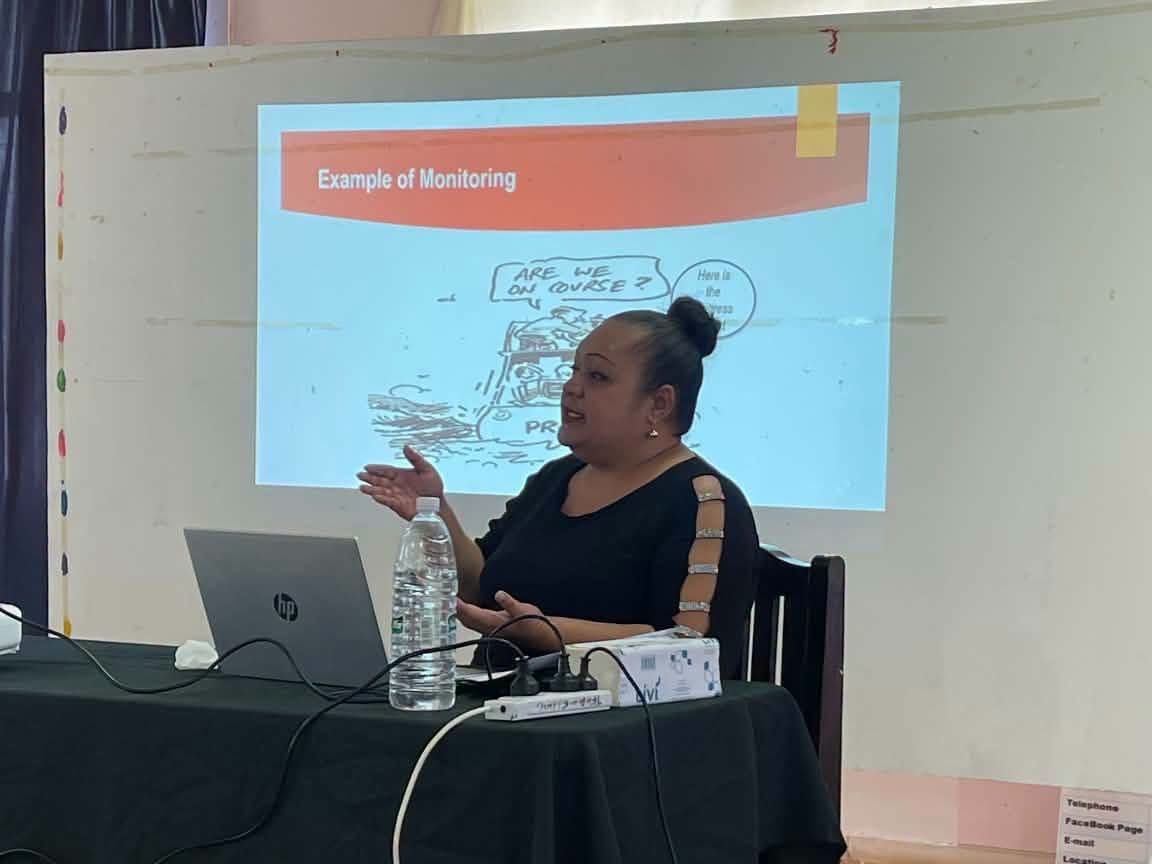
Dr Iobi Batio, a Kiribati-based primary health care doctor, travelled to Tonga in December 2024 to work with TFHA in Nuku‘alofa, leading workshops and supporting discussions with the Tongan Ministry of Health. Kirsty Burnett and Dr Iobi co-designed the framework with SWA’s International Programmes team so it aligned with reporting for MFAT, IPPF and the Ministry of Health. It builds on the Vakafolau II results framework, aligns indicators with what TFHA already reports to IPPF and the Ministry, and uses TFHA’s clinical and programme records to keep reporting realistic. Indicators are disaggregated by sex and island group. Target groups include young people, parents, church and community leaders, male advocates and people with disabilities, and monitoring and evaluation training for TFHA staff is built in as an output.
Outputs
Outcomes
Nearby in the atlas
Related case studies
Building inclusive MERL foundations for geothermal development in East Africa
MFAT · JRG Energy

Building Resilience: Conservation International's Climate Project in Samoa and Tokelau
Conservation International
Building a Cleaner Future: Kiribati's Solid Waste Management Journey
MFAT · Manatū Aorere
What our clients say
In their words
The MERL Framework is a key project document that helps Sexual Wellbeing Aotearoa and Tonga Family Health Association remain aligned in terms of what we are trying to achieve and how we are progressing against the project’s goals. The focus not only on quantitative but also on qualitative outcomes is a helpful reminder of the importance of service user stories and allows us to demonstrate the impact of the project beyond simply how many people have been reached.
 Issy FreemanInternational Project Lead, Sexual Wellbeing Aotearoa